
Cats rarely show stress openly. Knowing the quiet signs helps you act early, at home or after a boarding stay.
The common signs
The AAFP and ISFM environmental guidelines note that cats often do not show obvious signs of stress, and that stress frequently comes from unmet needs. Look for these changes from your cat's normal:
- Hiding more, or avoiding places he usually uses
- Eating less or refusing food
- Washing the coat too little or too much
- Litter box changes, such as going outside the box
- Less play, more sleeping, or restless pacing
- A change in vocal sounds
When it might be medical
Stress signs overlap with pain and illness. A male cat straining in the box with no urine is an emergency. A cat that stops eating for 24 to 48 hours, vomits repeatedly, or has labored breathing needs a vet. Look at the pattern: a change from your own cat's baseline matters more than any single behavior.
What a good cattery does
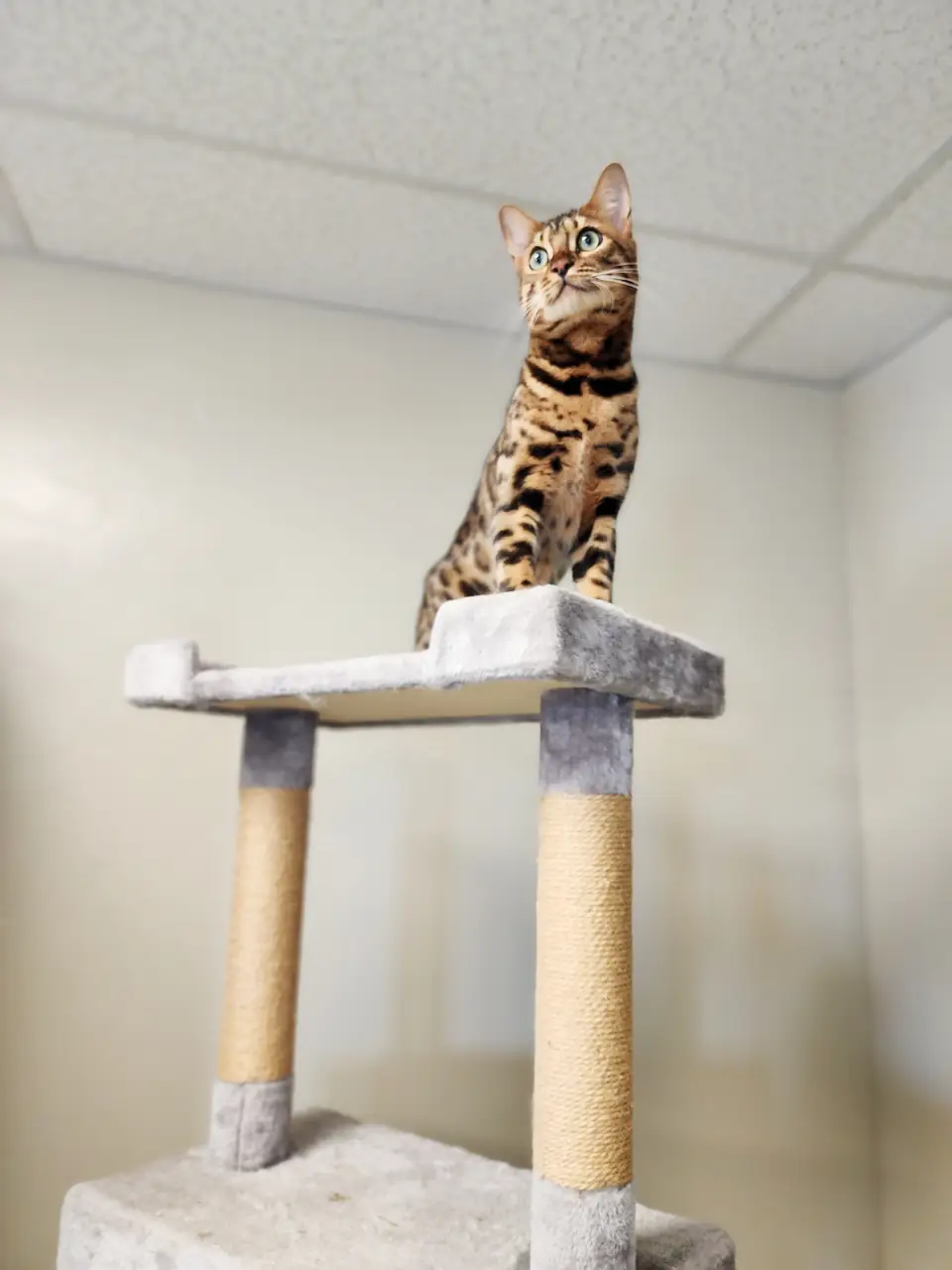
A calm setting with hiding places, height, separate food and litter spots, and a steady routine eases stress. At Happy Paws each cat has an individual four-level tower with its own litter box and blanket, and a cat tree and cat houses add climbing and hiding. Bring a blanket that smells like home, and expect a quiet first day. Most cats start exploring within a day or two.
What you can do
Keep your goodbyes brief and calm. Pack the usual food. Leave the carrier out at home so it is not a sign of bad news. After the stay, keep things quiet and routine. See bringing your cat home and cat not eating after boarding. Call 707-678-6600 if you have questions before your stay.
Keeping notes
Jot down what is normal for your cat before the trip: how much he eats, when he uses the box, where he sleeps and how he greets you. After the stay, compare. Small changes that fade in a day or two are common. Changes that last longer than that, or that include any of the emergency signs above, are worth a call to your vet.