
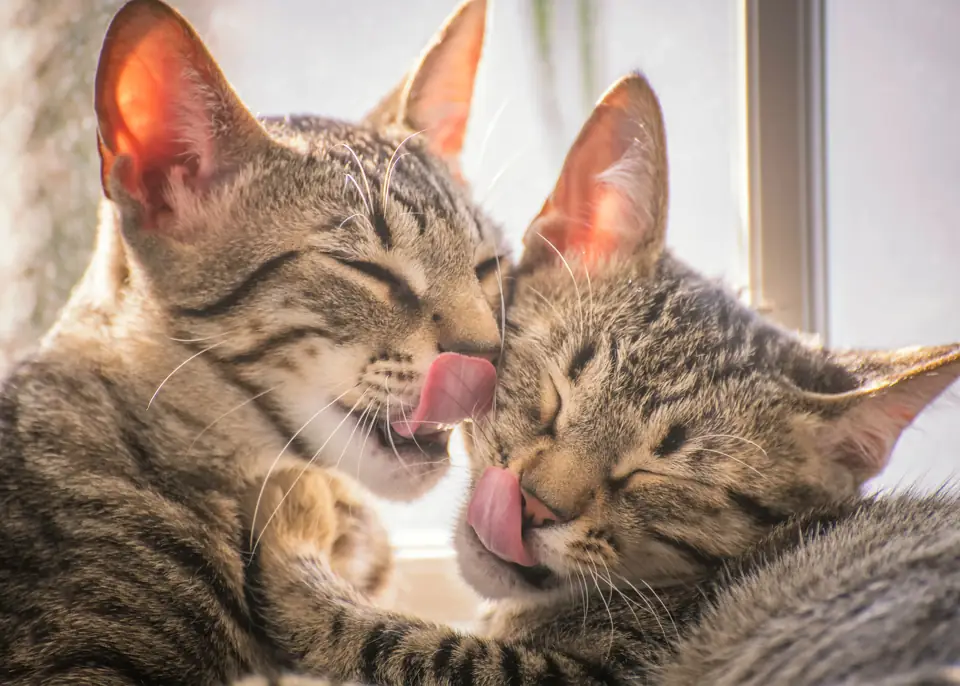
A change of place is a classic cause of a lost appetite in cats. Most come back to food quickly. Some do not, and the difference matters.
Why it happens
Stress is the common reason. A new smell, a car ride and a different bowl can all put a cat off food for a meal or two. Illness can hide behind the same sign, which is why timing matters more than a guess. First-time boarders in general may skip a meal or two on the first day, and the Happy Paws staff offer tempting food if a pet keeps refusing.
The point where it becomes urgent
The University of Illinois veterinary school explains that when cats stop eating, the body starts moving fat to the liver faster than it can handle it, a condition called hepatic lipidosis. Overweight cats are at greater risk, and the risk grows with every day without food. Jaundice, a yellow tint in the eyes, ears or gums, vomiting or lethargy mean you should call a vet immediately. Do not force-feed a nauseated cat; it can create a food aversion.
What to try at home first
In the first day after boarding, make it easy. Put out a small portion of the food your cat knows, warmed slightly to boost the smell. Add a spoon of a favorite wet food. Keep the room quiet and the water fresh, with the box close by. Do not switch brands now. If your cat ate the house food at the cattery, which was canned pate and chicken-and-rice kibble, going back to his own food is fine, a little at a time.
Tell the kennel and the vet
If your cat seems unwell, call your vet and tell them about the boarding stay, recent changes and any medications. Tell the kennel too, at 707-678-6600, so they can note it. Keep a record of what your cat eats and drinks for the next day. The signs of stress in cats page lists other cues to watch.