
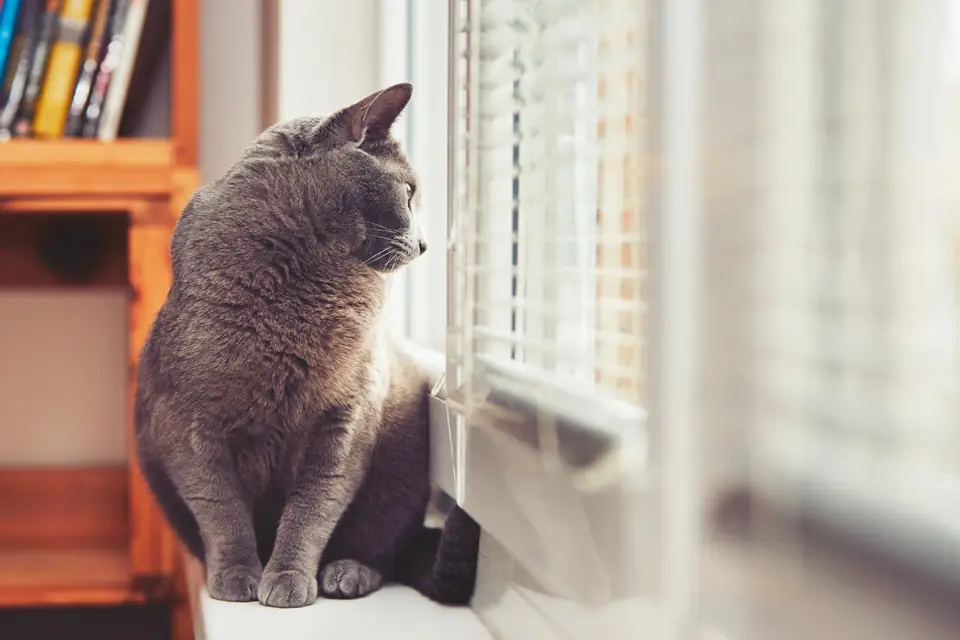
Your cat has been somewhere new, and he has noticed every smell. The first evening back is about calm and routine.
The first hour
Carry the carrier to a quiet room, close the door, and open the carrier without pulling your cat out. International Cat Care advises never forcing a cat out of the carrier. Put fresh water and the litter box in view. Skip visitors and loud noise. Many cats sniff every corner, then eat and sleep.
Food and water
Offer a small portion of the usual food. Cats may eat less or more than usual for a day. If your cat ate the cattery's house food, canned pate and chicken-and-rice kibble, his regular food back at home is fine, and gradual mixing is easy if you want to. Keep an eye on stool and litter habits. The guide on a cat not eating after boarding covers when to worry.
Smells and other pets
Your cat comes home smelling of other cats and a different place. A resident cat may react with hissing or avoidance. Keep the cats apart for a short time if needed, and let the smell fade. A quick wipe with a soft cloth and a bit of time often helps. Feed the cats at their own spots, with plenty of resources for each one.
Watch for a few days
Sneezing, watery eyes, coughing, lethargy, diarrhea or vomiting call for a note to your vet. Cats can pick up a respiratory bug at any busy place, which is why rabies and FVRCP vaccines are required at Happy Paws. See cat colds and boarding and signs of stress in cats.
If you have questions about your cat's stay, call 707-678-6600.
If you have other pets
Give each pet a separate meal spot and keep the returning cat in a closed room for a few hours. Swap bedding between the room and the rest of the house so smells mix slowly. Dogs should be calm and leashed or held back for the first meeting. If your resident cat is jumpy, a short separation is easier than a fight.