
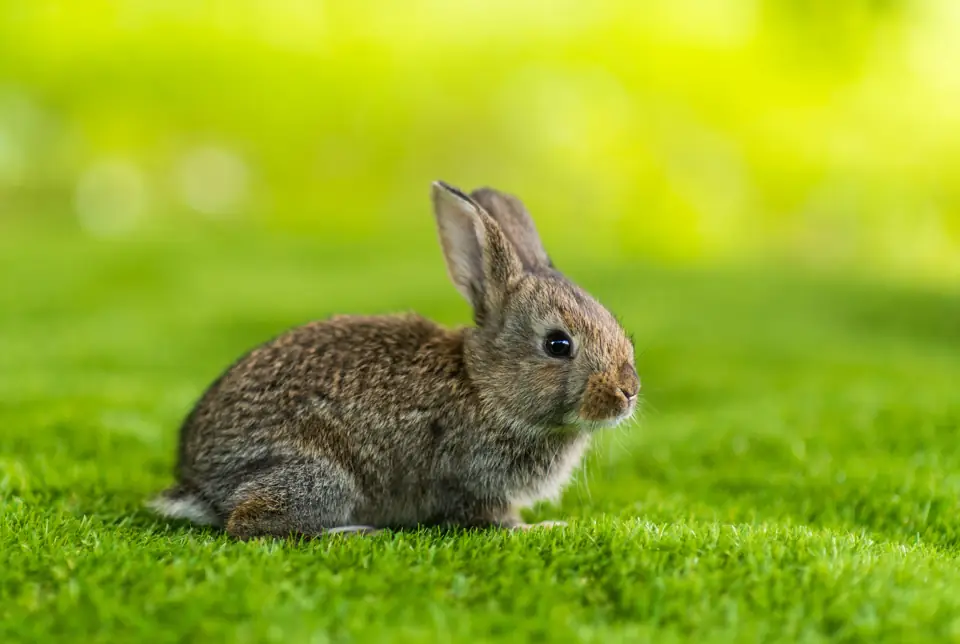
Small pets do best when the stay looks like home. Use this list for rabbits, guinea pigs, birds, hamsters, gerbils and rats, and adjust by species.
The core list
These items go with every small pet:
- The cage or habitat, cleaned, with a secure door
- Food in sealed, labeled bags, enough for the stay plus a few extra days
- A water bottle or heavy bowl that works, and a spare
- The bedding or litter your pet already uses
- A hide house, perch or favorite toy
- A feeding card: what, how much, when, plus medications
- Your phone number and your vet's name on the cage
By species
Rabbits and guinea pigs need unlimited grass hay, so pack more than seems necessary. The House Rabbit Society puts hay at the center of a rabbit's diet, and the Merck Veterinary Manual says guinea pigs need a daily source of vitamin C. Birds need their usual pellet or seed mix and a cover for the cage. Hamsters, gerbils and rats do best with their wheel, nesting material and usual chews. Do not introduce a new food right before a trip.
See the species pages: rabbits, birds, guinea pigs, hamsters and gerbils and pet rats.
Check with the kennel first
The kennel's published guidance says small pets such as rabbits, gerbils, rats, guinea pigs and birds are accepted and that it may ask you to provide their cage. The price is not listed, so please ask. Call 707-678-6600 and tell the staff the species, the number of animals and the size of the cage. The small pet FAQ collects the short answers.
Travel and drop-off tips
Use a ventilated carrier for the car and keep the temperature steady. Never leave a small animal in a parked car. Arrive during the drop-off windows, 7:30 to 11:30 AM or 2:00 to 5:00 PM, and fill out the boarding agreement once. Mark the cage in two places in case a sticker comes off.
At pick-up, plan to take the cage home right away, and expect your pet to need a quiet day. Check appetite and droppings, and call a vet for anything that looks different.