
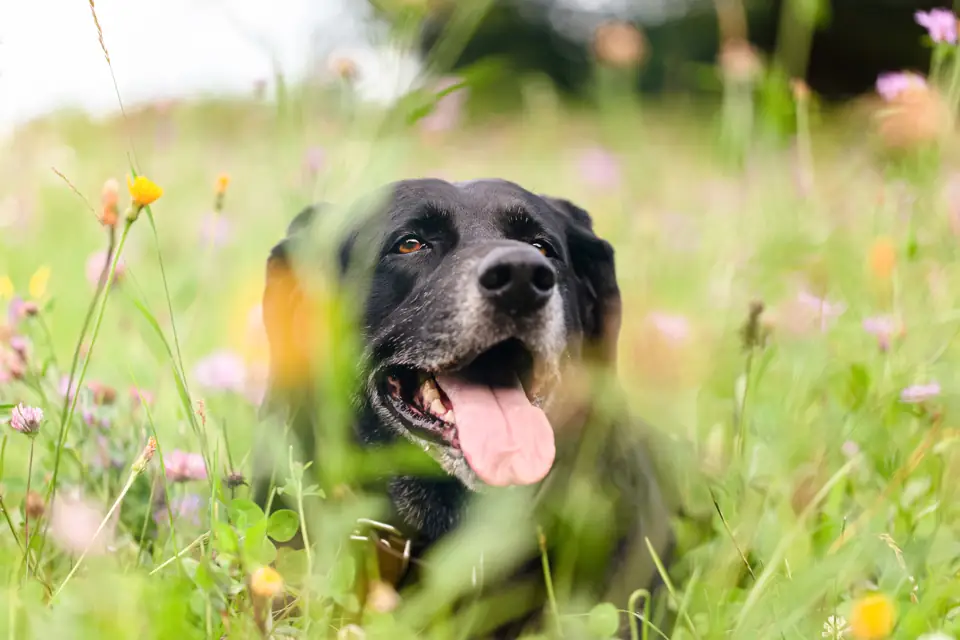
This is a safety rule about runs and fences, not a judgment about how you walk your dog. Staff handle every dog on arrival, and a collar that is fine on a leash can behave differently on its own.
The reason, in one picture
A kennel run has chain link, doggie doors and a lot of places where a collar can catch. A metal pinch (prong) collar tightens when pulled, so a dog that gets hung up on a fence or door can be hurt. Happy Paws asks that these collars come off before your dog goes into a run.
It is not only about prong collars
The AKC's article on collar dangers explains that even a plain collar can snag, and that the risk rises with collars left on in crates, with wrestling between dogs, and around branches, fences and decks. Its advice is: if in doubt, remove the collar. Breakaway collars are one alternative it describes.
What to do at drop-off
- Take off any metal pinch (prong) collar before you arrive.
- Make sure your dog has a flat collar or harness with ID, or tell staff you want ID on the paperwork.
- Leave your dog in the car at check-in; staff will carry in your belongings and walk your dog in.
- Tell staff how your dog walks on a lead, and what helps with pulling.
- Mark every item you bring with your name.
A word on training equipment
Veterinary behavior groups, including the American Veterinary Society of Animal Behavior, publish position statements on humane approaches to dog handling. This page does not take sides in those discussions. It explains how metal collars interact with kennel runs, which is a separate question from how you walk your dog at home.
What else not to pack
Skip your dog's own bed and favorite toy; one ordinary toy is fine. Runs have a Kuranda bed and blankets, and heating or air conditioning keeps them comfortable. See what to bring and the short answer.
If your dog pulls on the lead
Pulling on the leash is a common reason owners reach for metal collars. At check-in staff walk your dog in, and leashes and bowls are supplied, so you do not need special equipment for the stay. A front-clip harness or a head halter are common alternatives; ask your veterinarian or a qualified behavior consultant what suits your dog. The stay itself is a good chance to reset: walks are included, and the grass field and fenced play areas give your dog room to move.