
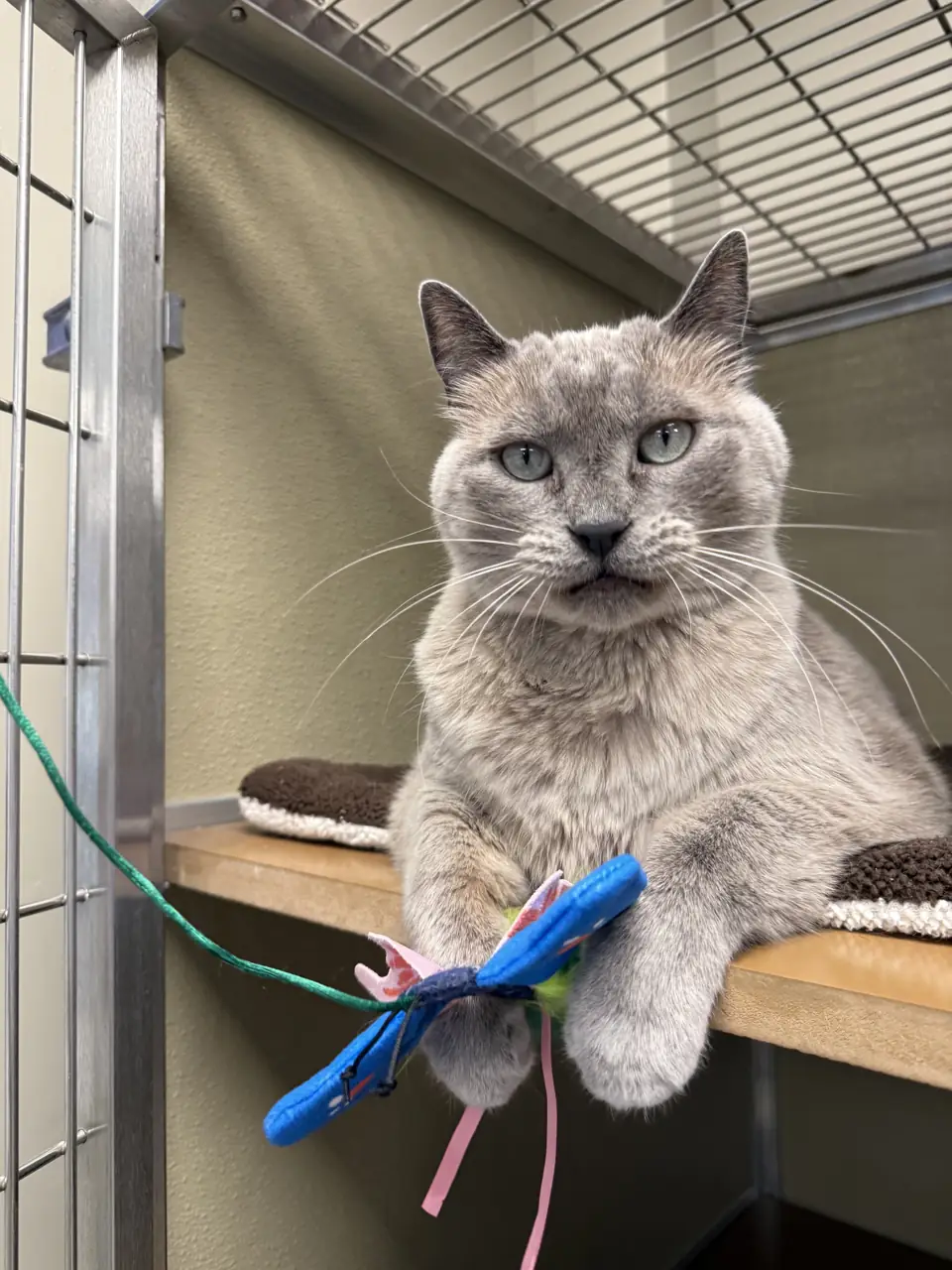
Cats have a shorter vaccine list than dogs, which makes preparing for a stay simpler. Here is the list, the paperwork and the order to do things in.
The cat list
Rabies and FVRCP are the two required cat vaccines. The kennel will not accept a cat without proof of a current rabies vaccination. FVRCP covers rhinotracheitis, calicivirus and panleukopenia. The kennel's page says the rabies vaccine is re-administered every three years in healthy adult cats, and that interval is for your veterinarian to confirm for your cat.
Nothing else is required for cats. Dog-only vaccines such as Bordetella and canine influenza are not part of the cat list.
What the record must show
The record has to show that the vaccines are up to date and will not expire during the stay. That is the date test: compare each expiration date with your pick-up day. A cat that is current on the drop-off date but due on day three of the stay needs a booster first.
- Name of the cat and the vaccine names.
- Date given and, if listed, the expiration.
- Your veterinarian's clinic name or signature.
A note on California law and cats
California's statewide rabies rule, Health and Safety Code section 121690, is written for dogs. The cat requirement at Happy Paws comes from the kennel's own boarding policy, which treats rabies as essential for every guest. The kennel notes that both indoor and outdoor cats are at risk of rabies, and local rules for cats can differ by city or county, so your veterinarian can tell you what applies where you live.
Steps before booking
Pull the records, check the dates, and book a vet visit if anything lapses before pick-up. Then send the booking request through ProPetware with the record uploaded, or email or bring it. The kennel confirms each reservation. The vaccine readiness checker covers the same steps. Cats also need to arrive flea and tick free, and a cat that arrives with a problem is bathed at the owner's cost. For help choosing a stay, see cat boarding.