
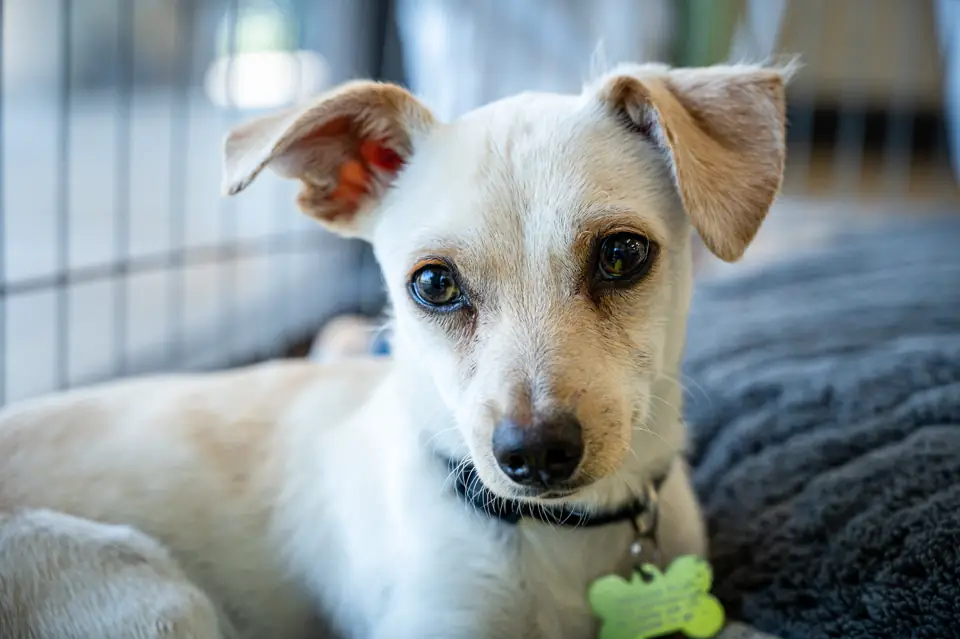
Owners are sometimes surprised that a boarding kennel asks for more shots than the state does. The difference is the law sets a floor for public health, and a kennel adds protection for dogs sharing the same airspace.
What the state requires
Health and Safety Code section 121690 requires every dog three months or older to be vaccinated against rabies by a licensed veterinarian with an approved vaccine. A veterinarian can certify an annual medical exemption, but an exempt dog is treated as unvaccinated. The same section requires a dog license by four months of age under the local ordinance, and keeps dogs under four months on the owner's premises or under physical restraint. The state does not require distemper, parvo, Bordetella or influenza vaccines for a pet dog.
What a vet usually recommends
The American Animal Hospital Association's canine vaccination guidelines treat distemper, adenovirus, parvovirus and rabies as core vaccines for every dog. Bordetella (kennel cough) and canine influenza are listed as noncore, which means a veterinarian adds them based on the dog's lifestyle and exposure. Your own vet is the person to decide what suits your dog.
What Happy Paws requires, and why the list is longer
A boarding stay puts dogs near each other, and respiratory illness spreads through the air. So Happy Paws requires current proof of rabies, distemper/parvo and Bordetella. The influenza vaccine is recommended rather than required; if given, it is accepted after the first dose, with the booster due three to four weeks later and then yearly. Leptospirosis, heartworm prevention and flea prevention are recommended. Records must stay good through the last day of the stay, and pets must be 16 weeks old before the first day. Cats need rabies and FVRCP.
The full list and the records process are on the vaccination requirements page, and the vaccine readiness checker tells you whether your dates work.
Putting it together
Think of three layers. The state requires rabies. Your vet may recommend more based on how your dog lives. A kennel then sets a house standard for the group. If your dog has a medical reason to skip a vaccine, talk to the kennel before booking, because the vet's note and the kennel's requirement have to be reconciled in advance, not at the front desk.